Revamp Your Bedroom With Innovative Convertible Beds
Adjustable beds are gaining attention for their ability to enhance sleep quality and comfort. These flexible configurations allow users to raise their heads or legs, addressing common issues such as snoring and acid reflux. With features like wireless remotes and integrated massage features, they serve diverse needs. As the demand for personalized sleep solutions increases, learning about the specifics of adjustable beds becomes essential to making a informed decision about one's sleep environment.
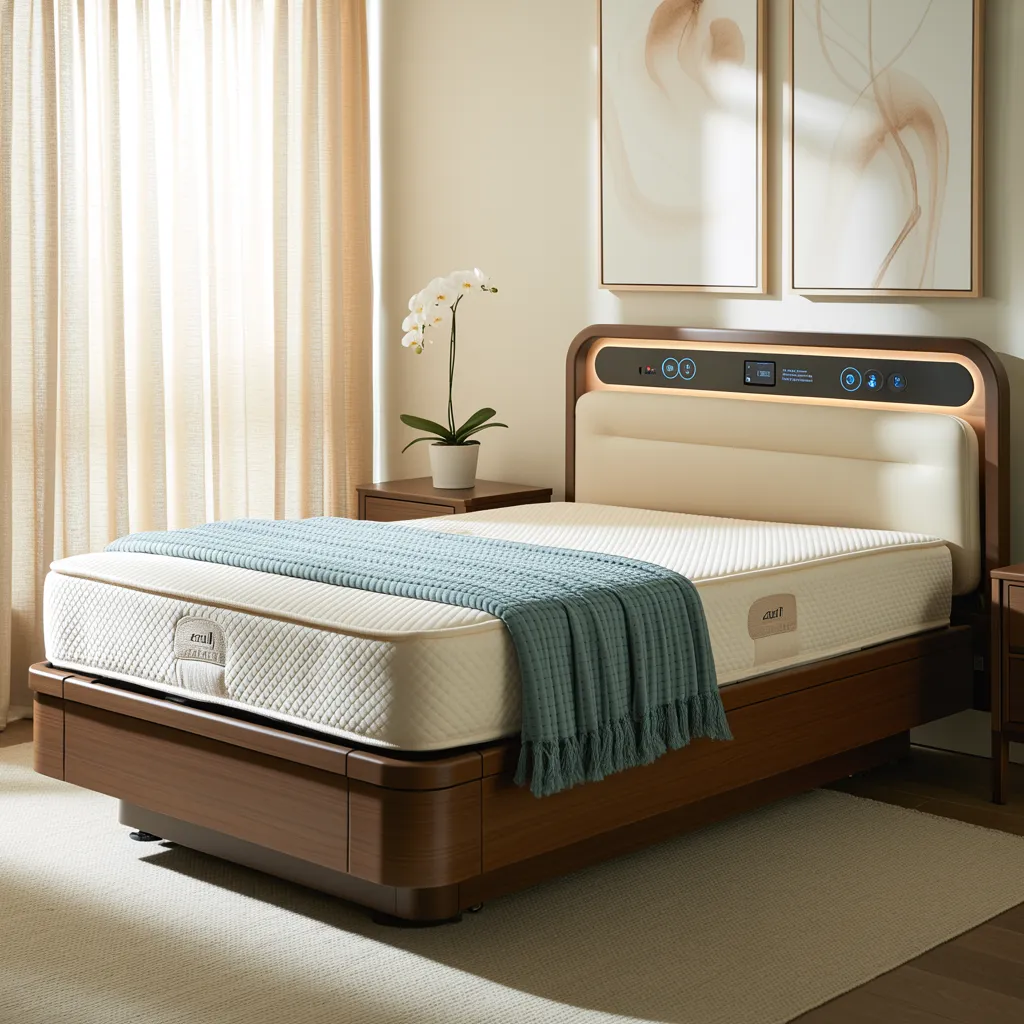
Adjustable Beds: Optimizing Your Sleep Caliber
While many people grapple with sleep quality, adjustable beds present a compelling solution. These beds permit users to tailor their rest positions, which can ease discomfort and promote superior sleep. By tilting the head or legs, adjustable beds can reduce concerns such as snoring, gastric reflux, and breathing difficulties, leading to seamless sleep patterns.
Moreover, the ability to find a customized position can enhance spinal alignment, reducing back pain for many people. The ergonomic assistance offered by beds with adjustable features encourages a more peaceful sleep, as users can find the ideal angle that suits their needs.
Furthermore, these beds can facilitate relaxation, making it simpler for people to relax before sleep time. Overall, beds with adjustable features address various sleep needs, significantly enhancing the overall sleep experience and quality, ultimately leading to better health and well-being.
Key Features to Look for in Adjustable Beds
Adjustable beds provide a variety of components that enhance their operation and comfort level. One important element is the array of settings provided for personalization, letting customers to lift their feet or head for greatest ease. Remote controls with wireless technology are also important, delivering convenient alterations while staying in bed.
An key component is the bed's carrying capacity, which guarantees it can support various body types. Additionally, some models provide built-in massage functions, offering relaxation and stress relief. Compatibility with different mattress types is vital, allowing users to select their preferred comfort level.
Moreover, take note of the existence of safety features such as return automation and anti-collision systems. In closing, the warranty and support options alternatives cannot be forgotten, as they illustrate the maker's confidence in the product's durability. These aspects combine to provide an enhanced sleeping experience and better overall enjoyment.
Increasing Comfort By Way of Variable Beds
Often, individuals enjoy significant enhancements in comfort when using adjustable beds. These beds allow users to customize their sleeping position, catering to personal preferences and specific needs. By elevating the head or foot sections, sleepers can alleviate pressure on the spine and joints, encouraging better alignment and reducing discomfort.
Moreover, adjustable beds can be especially advantageous for those with specific health conditions, such as acid reflux or sleep apnea. Raising the upper body can aid in reducing symptoms, while elevating the legs may enhance circulation and reduce edema.
The range of uses of beds that adjust also extends to their capacity to accommodate multiple activities. Whether reading, viewing programs, or working in bed, users can find a position that improves their overall experience. Ultimately, the adaptability of beds that adjust greatly contributes to better sleep and overall health.
Assessing Customizable Bed Designs and Its Benefits
Surveying the various designs of adjustable beds highlights special advantages tailored to individual expectations. The most common types encompass bifurcated adjustable beds, which allow partners to tune their side alone, maximizing comfort for both. Additionally, wall-hugging frameworks keep up proximity to nightstands while adjusting positions, proving them sensible in smaller spaces.
Furthermore, some models offer zero-gravity modes, which elevate the head and legs, providing relief from pressure points and improving circulation. Other beds come equipped with massage functions, giving relaxation and aiding in stress reduction.
Materials also vary, with options extending from memory foam to hybrid designs, catering to different preferences for firmness and support.
In the end, the decision regarding adjustable bed design can significantly affect sleep performance and general wellness, making it vital for customers to examine their specific requirements and living situation when picking the best choice.
Simple Instructions to Installing Your Adjustable Bed Effortlessly
Setting up an adjustable bed requires a few simple steps to ensure proper operation. First, unboxing and inspecting all components is essential for identifying any potential issues. Once verified, assembling the bed frame and attaching the power and settings will complete the setup process efficiently.
Unpack and Inspect Components
Inspecting an modular bed system presents a collection of components made for quick setup and perfect comfort. Customarily, the delivery incorporates the bed frame, adjustable base, remote control, power supply, and numerous reference attachments such as coupling devices and mechanical fasteners. Each component is thoroughly packed to guarantee safety during transport.
During thorough review, it is critical to confirm that all components are available and undamaged. Users should test the control device for functionality and verify that cables are undamaged. In addition, assessing the adjustable base for any production issues is necessary. Careful inspection at this juncture can save delays and annoyance during the assembly process. Once everything is accounted for, users can advance with certainty to construct their new adjustable bed frame.
Assemble The Bed Frame
Starting the assembly of the bed frame involves laying out all parts in a organized manner, ensuring easy access throughout the process. The frame typically includes side rails, end rails, and support slats. Begin by connecting the side rails to the head and footboards following the given instructions, fastening each joint with appropriate hardware. Then, install the support slats across the width of the frame, making sure they are evenly spaced to maximize mattress support. After the frame is fully constructed, check stability by gently shaking it. Corrections can be made if needed to ensure a secure and sturdy setup. With the frame in position, the next steps can proceed without issues.
Connect Power And Settings
To create an ideal experience with the motorized bed, connecting the power supply and configuring the settings is necessary. First, find the power cable and plug it into a nearby outlet, ensuring it is firmly attached. Next, activate the bed's control panel, often located on the side or foot of the bed frame. This unit usually includes a remote control or a mobile app for convenience. Users should then modify the bed's settings, such as head and foot height, according to personal comfort preferences. It is recommended to investigate extra features, such as massage functions or preset positions. Finally, confirming that all connections are secure can prevent disruptions during use, enhancing overall satisfaction with the motorized bed experience.
Challenging Popular Misconceptions About Adjustable Bed Systems
Numerous misconceptions encompass adjustable beds, particularly pertaining to comfort and mobility benefits. Some suppose that these beds are naturally uncomfortable or that their advantages are confined to those with mobility issues. Addressing these myths is vital to grasping the true value of adjustable beds.
Adjustable Beds Deliver Discomfort
Adjustable beds frequently meet with criticism for appearing uncomfortable, yet this view is mostly baseless. Numerous users claim that these beds enhance their sleep experience by enabling custom positioning. The capacity to raise the upper or lower body can decrease stress on particular zones, improving blood flow and reducing strain. Furthermore, adjustable beds feature multiple sleep surface choices, including memory foam and latex, which address individual preferences for firmness and support. Many manufacturers also stress ergonomic design, making certain that the bed shapes to the natural contours of the body. Consequently, adjustable beds can supply a level of comfort that traditional beds cannot deliver, challenging the myth that they are inherently uncomfortable for sleep.
Constrained Mobility Benefits Only
While some may assume that adjustable beds only benefit those with mobility constraints, this misconception overlooks the diverse benefits they deliver to a broader group of users. Such beds can enhance coziness for people without mobility issues by allowing personalized adjustment options that promote relaxation and reduces pressure points. They are particularly beneficial for those who endure disorders like GERD or breathing issues, as lifting the head can boost breathing and nutrient processing. Furthermore, adjustable beds can enhance overall sleep quality by supporting different sleeping positions. By debunking the misconception that these beds are exclusively for the mobility-impaired, it becomes clear that they appeal to anyone seeking a more restorative and customized sleep experience.
Finest Mattresses for Adjustable Beds
Finding the suitable mattress for an adjustable bed can greatly improve comfort and stability. Memory foam mattresses are often suggested due to their ability to adjust to the body's shape, delivering pressure relief and alignment. Furthermore, they generally work well with adjustable bases, facilitating smooth movement without sacrificing comfort.
Latex mattresses represent another fantastic choice, offering a responsive sensation and resilience. They provide a consistent support that can work with multiple body positions, rendering them perfect for adjustable beds. Additionally, mixed mattresses, which blend innerspring and latex or foam, offer a versatile option. These mattresses offer the responsiveness of traditional innerspring with the contouring support of foam.
Lastly, it's vital to consider mattress depth. Mattresses between 10 to 14 inches are generally most compatible with adjustable frames, delivering flexibility and support without excess bulk. Choosing the appropriate style can considerably elevate the experience on adjustable mattresses.
Common Inquiries Asked Frequently
Are adjustable bed frames suitable with all mattress types?
Adjustable beds are typically compatible with various mattress types, like memory foam, latex, and hybrids. However, it's important to review specific manufacturer guidelines to ensure peak effectiveness and support for each mattress design.
Do Flexible Sleep Systems Call for Specialized Bedding or Accessories?
Adjustable beds generally do not demand custom linens or extras. However, choosing fitted sheets designed for adjustable bases can boost comfort and fit, making sure the bedding works with the bed's movements properly and stays secure.
What Is the Average Lifespan of Adjustable Beds?
Adjustable beds usually remain functional between 10 to 20 years, depending on usage and quality. Regular maintenance and appropriate care can enhance their lifespan, ensuring continued comfort and functionality for owners over time.
Are Variable Beds Advantageous for Distinct Health Disorders?
Adjustable beds can indeed aid in managing specific health concerns, such as sleep apnea, acid reflux, and chronic pain. By supporting ideal sleeping positions, they could alleviate discomfort and enhance overall sleep quality for many individuals.
Do adjustable beds produce sound when changing positions?
Adjustable beds may differ in noise levels when adjusting positions. Many models operate quietly, while some may produce slight sounds due to mechanical components. Overall, most users find the noise minimally disruptive during use.